For many commercial facilities, electrical systems operate quietly in the background until something fails.
A breaker trips.
Equipment shuts down.
Operations stop unexpectedly.
Or worse, an overheating electrical issue creates a serious fire risk.
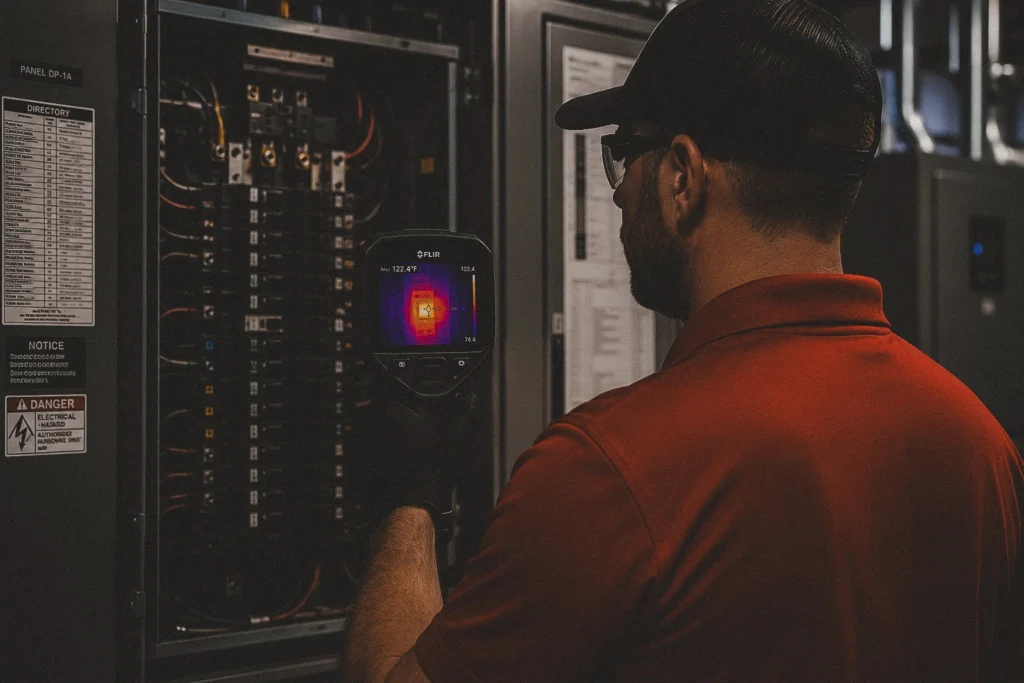
The challenge is that most electrical failures begin developing long before visible problems appear.
That is why preventative electrical maintenance is becoming a much larger operational priority across commercial facilities, government buildings, and institutional properties.
And increasingly, thermal imaging inspections and electrical panel audits are becoming part of that standard.
Not only because they help reduce operational risk, but because they improve one of the most important parts of facility management:
Visibility.
Many preventative maintenance programs still rely heavily on:
The problem is that electrical issues often develop internally where they cannot be seen during a standard walkthrough.
A panel may appear completely normal externally while dangerous heat buildup is already developing inside.
Without deeper visibility into system conditions, facilities often discover problems only after:
For property teams managing multiple buildings or large facilities, this creates unnecessary operational uncertainty.
Thermal imaging inspections provide a proactive way to evaluate electrical system health before failure occurs.
Using specialized infrared cameras, certified electricians scan energized electrical equipment and identify abnormal heat signatures that are invisible to the naked eye.
These inspections help reveal:
Because excessive heat is often one of the earliest warning signs of electrical stress, thermal imaging allows facilities to identify potential problems before they escalate into major operational disruptions.
This changes preventative maintenance from reactive guesswork into measurable operational visibility.
One of the biggest operational advantages of thermal imaging audits is documentation.
A professional electrical panel audit provides facilities with:
This creates a much clearer picture of facility health over time.
Instead of relying only on maintenance memory or scattered service notes, facilities gain documented visibility into electrical system conditions and corrective actions.
For organizations managing:
this level of documentation is becoming increasingly important.
Insurance providers are placing greater focus on preventative maintenance and operational risk reduction than ever before.
As electrical failures and fire-related losses continue creating expensive claims, many insurers are now encouraging or requiring more detailed facility maintenance documentation.
Thermal imaging inspections help facilities demonstrate:
In many cases, documented electrical audits can support insurability discussions and reduce uncertainty during policy evaluations or claims investigations.
Facilities without documented preventative maintenance processes may increasingly face:
Preventative documentation is no longer just a maintenance tool.
It is becoming part of broader operational risk management.
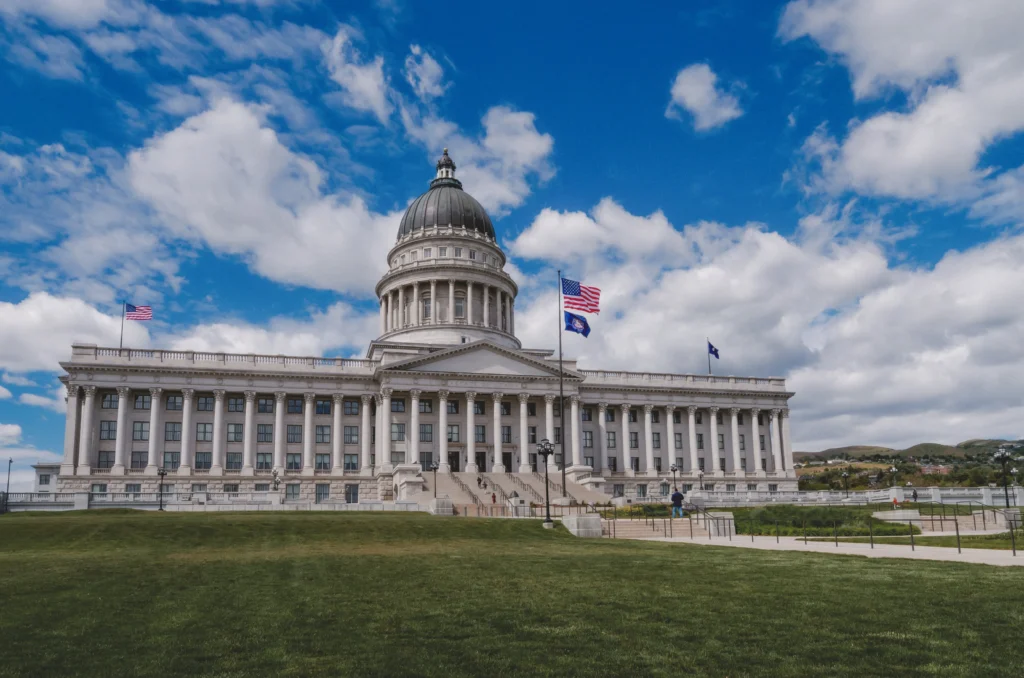
Utah has also increased focus on preventative maintenance oversight for state-owned facilities.
Under updated Utah facility maintenance requirements published through the Utah State Bulletin, state facilities are required to receive detailed preventative maintenance audits at least every two years.
The rule outlines that these audits must include:
The updated guidance also reinforces the importance of maintaining inspection documentation and following risk management standards tied to facility insurability.
This reflects a much broader industry trend:
Facilities are moving toward more proactive operational oversight, improved documentation, and measurable preventative maintenance systems.
The strongest facilities today are not simply reacting to problems faster.
They are building systems that identify risk before disruption occurs.
Thermal imaging inspections and electrical panel audits help facilities:
Most importantly, they help organizations move from reactive maintenance toward proactive operational management.
At Rubicon, we help commercial facilities improve operational visibility through proactive maintenance inspections, electrical panel audits, and thermal imaging services designed to identify hidden risks before they become costly problems.
Our approach focuses on:
Because better facility performance starts with better visibility into the systems that keep operations running.
Electrical systems rarely fail without warning.
The challenge is having the visibility to identify those warning signs before disruption occurs.
If your facility is evaluating thermal imaging inspections, preventative maintenance audits, or electrical panel documentation, Rubicon can help your team improve operational visibility and reduce long-term risk before issues escalate.