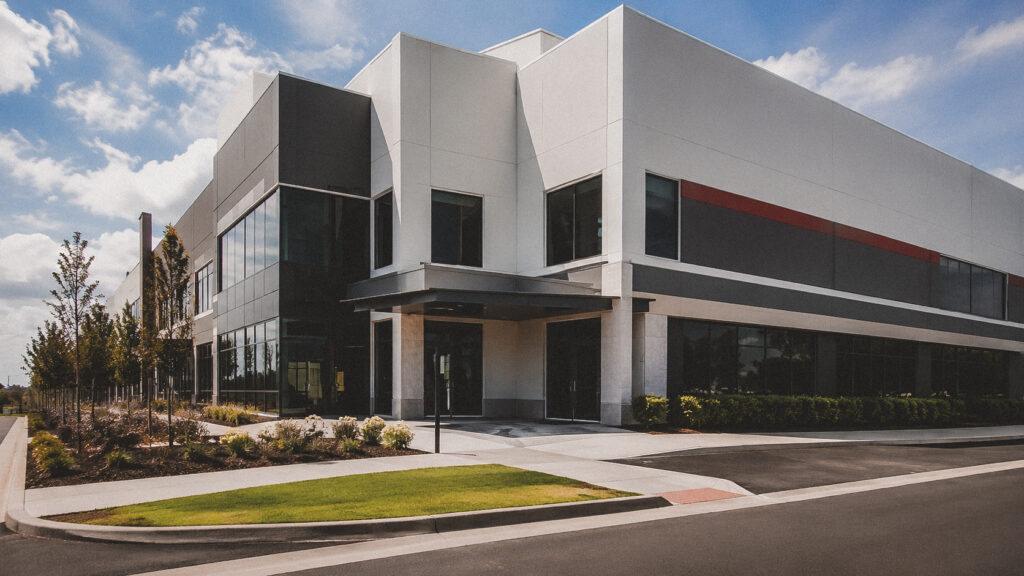
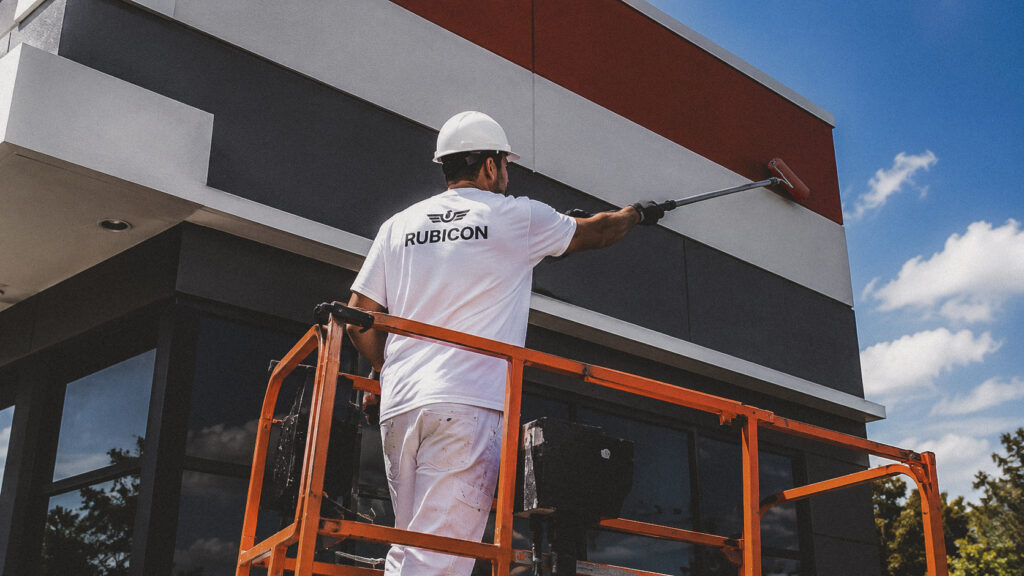
You send the same scope to three painting contractors. You get back three numbers that don't remotely agree — one comes in at $18,000, another at $31,000, and the third somewhere in between. On paper, they're bidding on the same building.
So what's actually different?
Usually, it's not the paint. It's everything that happens before the paint — and that's exactly the part that's easiest to leave off a bid to make the number look better. If you don't know what to look for, the cheapest bid can end up being the most expensive job you ever approve.
Here's what should actually be in a legitimate commercial painting bid and what it means when it isn't.
Why Bids Vary So Widely on the "Same" Job
Two painters can look at the exact same building and price it $10,000 apart without either one being dishonest — because "paint the building" isn't actually a fixed scope. It's a set of decisions, and every decision has a cost attached:
How much of the surface gets pressure-washed vs. spot-cleaned
How much failing paint gets scraped and sanded vs. painted over
Whether primer goes down everywhere or just on repaired spots
How many coats of finish, and how thick each one is
What grade of paint gets used
What happens if it rains mid-job
A bid that skips or shortcuts any of these will always come in lower. The problem is, none of that shows up in the final walkthrough — it only shows up two years later, when the "cheap" wall starts failing while the properly prepped one next to it still looks new.
What a Real Bid Should Include
Use this as a checklist against any bid you're evaluating. If a section is missing entirely, that's information too.
Licensing and insurance. General liability and workers' comp coverage should be provided without you having to ask twice. This protects your property and your liability, not just the contractor's.
Surface prep scope, in writing. Not just "pressure washing included" — but what's being washed, at what pressure, and what happens to areas where washing reveals more damage than expected (this should be addressed before it becomes a change order surprise).
Repair scope. Cracking, caulking failure, and rotted or damaged substrate should be itemized separately from the paint work. If repair isn't mentioned at all, ask whether the contractor even inspected for it — or whether they're planning to paint over problems instead of fixing them.
Scraping and sanding standard. Failing paint should be scraped and sanded back to a stable edge before repainting, not just covered. A bid that doesn't mention this step is likely planning to skip it.
Primer. Bare wood, metal, and repaired areas need primer before topcoat — it's not optional, and it's not the same product as the finish coat. If primer isn't listed as its own line item, ask directly whether it's included.
Number of coats and film thickness. "Two coats" should mean two full coats at a specified thickness (measured in mils), not one full coat and one thin pass to make the color look even. Ask the contractor to confirm coat count and thickness in writing, not verbally.
Paint product and grade. Not all exterior paint is built the same. Commercial-grade acrylic or elastomeric coatings rated for your climate and substrate will outlast a big-box store product by years — and cost noticeably more per gallon. If the bid doesn't name a specific product, ask for it.
Weather and cure contingencies. Paint needs a minimum temperature and a dry window to cure correctly. A bid should account for what happens if weather pushes the schedule — reputable contractors plan around this instead of painting through it.
Site protection and cleanup. Coverage for landscaping, walkways, parking areas, windows, and fixtures, plus a cleanup standard, should be spelled out — not assumed.
Warranty terms. A real warranty specifies what's covered (peeling, blistering, fading), for how long, and under what conditions it's void. "We stand behind our work" is not a warranty term — it's a sentence.
Licensing and insurance. General liability and workers' comp coverage should be provided without you having to ask twice. This protects your property and your liability, not just the contractor's.
Red Flags Worth Slowing Down For
A single lump-sum number with no breakdown. You can't evaluate what you can't see.
No mention of prep at all. This is the single most common place corners get cut, and the least visible in the final result.
Verbal promises that aren't in the written scope. If it's not on the bid, it's not part of the job, regardless of what was said on the walkthrough.
A price significantly below the other bids with no explanation. Sometimes it's a legitimately leaner operation. Often, it's missing scope.
No warranty or a warranty with no specifics. If they won't commit to what's covered, that tells you something about how confident they are in the work.
Questions to Ask Before You Sign
"Can you walk me through exactly what surface prep includes on this bid?"
"How many coats, and what's the target thickness?"
"What paint product and brand are you specifying, and why?"
"What's covered under warranty, and for how long?"
"What happens if you find more damage than expected once prep starts?"
"What's your plan if weather delays the job mid-project?"
Any contractor confident in their work will answer these without hesitation. Vague or defensive answers are a signal worth paying attention to.
The Bottom Line
The cheapest bid and the best value are sometimes the same number — but you can't tell which is which from the total alone. The difference is almost always hiding in the prep, the product, and the paperwork, not the paint itself.
A building repainted properly once will outlast — and out-cost — a building repainted cheaply twice. When you're comparing bids, you're not really comparing painters. You're comparing how much of the job each one is actually planning to do.
If you'd like a second set of eyes on a bid you've received or want to know what proper prep looks like on your specific building, we're happy to walk through it with you — no pressure, no pitch.